Thursday, March 19, 2009

Formalities and Hospitalities Pt. 1


It’s 5:02 in the morning and the nearly full moon is higher in the sky than I expected. I hear the drums of death banging in the distance, with no sign of stopping. They have been going steady all night. The sun has yet to come up, but proof of its proximity is seen in the sky’s color, one shade lighter than black.


Although it seems that the end of the night came far too quickly, I can hear the first fire start crackling amidst the sinister funeral music, and as I look over the edge, I can make out some of the younger girls fetching water. Next to me, I see Lise and Awine rolling around in their blankets, also trying to fight off the extra early wakeup call. The stars had been comforting as we stared up from the adobe roof, but they were fading quickly, another reminder that we needed to be on our way.


Lise gathered her belongings into her small shoulder bag, and before the sun had come up, we were on the trail heading toward the main road, the funeral drumming slowly drawing closer. Five minutes walking south on the main road and the half a dozen men on a roof top playing drums and flutes were in full view. To our right, we saw men at the burial site, a slaughtered goat laying next to them. As surreal as the scene was in the early morning light, we couldn’t slow down, as we had to get to the next town and back before the sun was too harsh to walk in.


***


On Friday I made sure to get a lot of work done so that I was able to leave work a few hours early. At 12:15 I sent a rough draft of a document I have been working on for weeks and rode my bike home aqap! By 1:30 Awine, Lise and I all had our bags packed for the weekend trip to visit Awine’s family. They live in a small village called Natunya, in Ghana’s Upper East Region, and just a few miles south of Burkina Faso.

After taking a taxi to the tro-tro station, I bought some yams (not common in his village, but plenty in Tamale) to take to his family. It is rude to arrive empty-handed. The three hour tro-tro ride was expectedly sweaty, dusty and crowded, but that story is worn out.


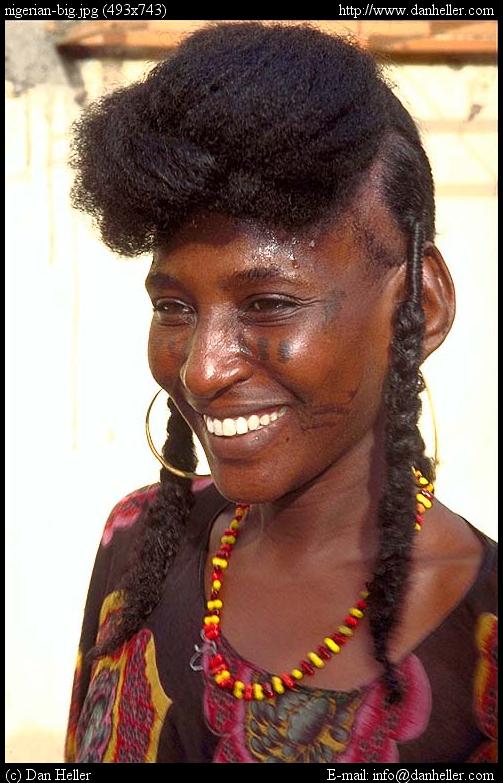
We arrived in Bolgatanga, and quickly got in another tro-tro to Sirigu. Same story, though Lise and I were given the highly prized front seats, which was a nice relief. Arriving in Sirigu was surprisingly hectic. It was the end of their market day and the small village was bustling on their main road (assuming they have more than one road, which I don’t think they do). Some of the people here have the coolest facial scarring, delicately carved intricate patterns covering their whole face. Everyone was friendly with us since many of the people here knew Awine. Lise and I quickly learned the Farfari word for good evening (zanore…mas o menos) and the proper way to reply to “welcome” (mazim). From there it was a two mile walk (according to Awine, though I think it was longer) to his village. The road was wide and dusty, but flat enough that I could not complain. The sun had given up its torment for the day, leaving the walking conditions quite agreeable, though I was stuck with a heavy bag packed for the weekend as well as a few days in the field for work.


Fifty minutes later we reached hiss village in the dark. Unlike most rural villages I have been to Natunya is extremely spread out. It took fifteen minutes to walk from the main road and downtown Natunya to Awine’s home. When he pointed ahead and said, “that’s my house with the light on,” I was surprised to see light. A couple shops in the main part of town had power, but other than that, none of the houses that I saw did.

For the first time in over a year, Awine was back home. He told me later that he would not have gone until Christmas if it wasn’t for me. It made me glad that I paid for his transit and the yam gifts, because I knew money was the biggest obstacle for him making a trip home.


When we arrived we were greeted by hugs from Awine’s mothers (Yes Awine has two moms, no not like that. His father, who died quite a while ago had two wives). The hugs caught me off guard because I couldn’t think of a single time I have actually hugged anyone since I’ve been here, but they were great.


As were welcomed inside the common area of the concrete home, Lise and I wondered if they had turned on the generator just for us. When Awine’s twin brother started to fiddle with a little TV, unsuccessfully trying to turn it on, we were pretty sure this was the case. We felt bad as we knew the cost of gas here is very high.

Awine’s mom (who I will now refer to as Ma, since her name is Ma something, and Awine calls her Ma) brought us a huge calabash of what looked like dirty water with yellow chunks. Awine explained that this is the traditional drink to welcome strangers with. It was water, millet, shea butter and pepper (chili powder). I was more worried about the taste and offending my hosts than the source of the water. Awine took the first drink then handed it to me. And it was pretty agreeable. Like spicy buttery water and a hint of millet. After we passed the calabash around a few times, the liquid was gone, and all that remained was half a calabash of wet millet grains. We were all given spoons and each ate a few heaping scoops of the soggy grains. The hospitality and sense of tradition we were taking part of made the bland mush taste incredible.


Soon after we were served our dinner of t-zed (short for tuo zafi, meaning “hot food” in the Hausa language, it is a millet porridge and staple to those in the northern regions of Ghana and Burkina Faso) and okra stew. Okra stew is my least favorite of the Ghanaian soups, but it was still pretty good.


Awine has a sister in London who is married to a British guy. About ten years ago he came to visit the village. I can tell this was a memorable event for the community because I heard a lot about him while I was there. Quite a few people actually thought that I was him, since it is not every day that a white man visits the village. Ma said I was just like him since I enjoyed the T-zed.


After dinner we sat in front of the house with the family and chatted. Well, none of them really speak English, so Lise and Awine and I chatted next to the family, and I tried to learn the kids’ names. The Ghanaian/African family structure is extremely confusing to me, as it seems like there was a constant flow of family coming and going, all being introduced as some different member of the family. I can’t really begin to explain it because I don’t understand it, but there were a lot of women and children, and a couple men usually present.


Awine showed us to the traditional compound where the three of us would be sleeping. This home is Awine’s uncle’s, but I think his brother lives there too. Actually it seems that everyone just kind of lives everywhere and I am not sure if spaces are really designated. We climbed up a set of six steep adobe stairs up to the roof of one of the rooms in the compound. Looking down, we saw the courtyard of the compound, where wives and children were laying out sleeping mats as they got ready for bed. Lise and I talked about how arriving at night is the best, since you get to see everything brand new in the morning.


We woke after sunrise, though Awine was already up and socializing with the family. Lise and I lazed around for a bit, peeking over the edge at the women cooking and the kids doing chores. Since we had met everyone at night, we couldn’t really recognize the people we saw. When they glanced up at us, we weren’t sure if they were seeing us for the first time.


The Compound.

The big cones are grain silos, storing millet, the small cones are chicken coops.


Awine's uncle. He is proof that EVERYONE, even in Africa has at least one eccentric uncle.


After taking tea, Awine took Lise and I on a walk. We visited several households of friends of his. We were welcomed very warmly by everyone we met and in one house they brought us calabashes of pito, the local millet beer. Awine told us that he could not take pito. A while back he fell off a house, and went to a local doctor who helped him. The doctor said he had to repay him with a goat, and until he did so, he could not take pito or else he would fall again. Looking back on it, I don’t know why I told him this was nonsense and he should just have the pito and he’d be alright. But I am actually really glad I just left it.


Visiting Awine's neighbors in their compound. From top left to bottom right: Ben (Awine's twin), Awine, Lise, guy that speaks a bit of English, super smiley guy that buys me pito the next day (not smiley in photo),...guy in blue and white shirt...Guaranteed that dog on the bottom left is gonna be eaten within the year. The people in this area are known for their love of dog.


Because the village is so spread out, it took a long time to move from home to home. Eventually we reached dam, which Awine said should have been huge, but looked like a small pond since the contractor in charge of the project “chopped the money”. Kids were playing in the pond and women were fetching water from holes dug next to the dam.


Awine said there were crocodiles in the pond, but we needed to wait for one of the men who calls the crocodiles in order to see them. Within minutes a man came by and made a loud noise that I can only spell “ard-d-d-d-d-d-d”. Sure enough, we immediately saw a croc pop its head out of the water. After some discussion on what to do next, some of the kids ran and caught frogs. More debate among the people by the pond, and they decided to make a seaweed leash for the frog’s leg. They then tied the leash to a rock near the edge of the water, close to the crocodile. The croc came closer, and it was obvious that he wanted the frog, but with so many people gathered around, it was not going to come out. Finally, the kid just threw the frog to the croc. Within ten seconds, the frog was back on land. The kid caught the frog again, and tossed it out. A brief chase, a splash, and I am pretty sure the crocodile got his meal.


We walked around the water for a while, and saw a few more crocodiles poking their heads up. Eventually, Awine decided to jump in with the kids and splash in the water. I had read a week before about bilharzias, the disease that plagues almost all bodies of water in sub-saharan Africa. It does not sound awesome, not even a little bit. This body of water also had a lot of high risk factors: not moving, shallow, and plenty of animals droppin deuces in it. It was so hot though. I debated it for a while, and decided I need to jump in. Lise argued with me though and said that this would not be hard corps, just stupid. She was probably right, and I think it might be better that I listened to her. I am so close to the end, and I haven’t gotten sick yet, so why do it almost on purpose now?


By the time we got back, lunch was being served. Ma had apologized the night before for not slaughtering a fowl for us on arrival, since it was so late. She made up for it by slaughtering one that morning, and made our groundnut soup with it, accompanied by rice balls, which they grow locally.


This was Natunya’s market day, so after lunch Lise and I took the walk into town. We pretty much just sat under a thing built for shade, while we drank water and a local cocoa and ginger drink sold in a plastic bag. We also got mangos (about a nickel each!). The market consisted of a group of about 15 women sitting under a tree, and a couple shops selling pito. While I was picking out my mangos, a woman with a beaming smile came up to me and opened up a bag to show me what looked like hamburger patties. “WHAT!?” I yelled. Everyone laughed at my reaction and a couple women even mocked me, repeating, “what?!” They only cost about a dime, so decided it would be worth the risk. I couldn’t imagine that they would actually have hamburger here, but it looked just like it. Was it a hallucination? Predictably, yes. It turned out to be a bland, mashed millet patty. Even holding it and looking at it up close, it looked just like a hamburger, but I couldn’t even eat it. I think it could be sold to vegetarians pretty easily though. They deserve/love that kind of crap.


Before leaving the market, I bought a gallon of pito to share with the family. It was much more expensive at $1.60 than the gallons in Upper West, at $.45. I wanted to get two gallons, but Awine said one should be enough. The truth was that I was just really in the mood to relax in the shade and just sip pito from a calabash for the rest of the day, and I knew I would need my own gallon for that.


Back at the house, Ma, Ben (Awine’s twin) were playing Mancala, though they call it something different, and the rules are different than the Resource kids at Adams Elementary School taught me two years ago. Jeez I miss those kids. They showed me how to play and I caught on quickly, though I was not very good at this way of playing. I’ll be glad to revive my love for the game when I get home though.


After a few rounds, we started playing a board game that seems more popular with the kids everywhere. It is kind of like sorry, but there is a dice, not cards. Eventually some of the elders that live nearby came and I figured that meant it was time for the pito. Ben’s wife brought out some calabashes and mugs, and we distributed the drink. They were all thankful, and kindly requested that I take their photo. A Dutch girl I had met in Tamale told me that I would have trouble taking photos of people in the rural areas, but I actually have found that people are more upset if I don’t take their photos.


Lise was planning to meet some Canadian friends in Bolgatanga the next day to go to Burkina Faso. I was really jealous, because with my single entry visa, I could not join them. Plus, I am not really in a position to take time off work. She got a text message from one of them saying she needed to be in Bolgatanga that day since they were leaving so early the next morning. She did not want to go, so we asked around, and found that she could get a car from Sirigu the next day as early as 6:30.


Just before dark, I remembered that I had brought my slackline, but had not used it. I grabbed the ropes out of my bag and quickly found two trees about 15 feet apart and set up the line between the two of them. Awine and his brother had followed me, though after just a few minutes of walking across the line, I had attracted about a dozen more village kids and teenagers. Slacklining is fun, but entertaining alone for only so long. So I asked who wanted to try next. Nobody volunteered, so I grabbed one of the confident looking guys close to my age, and pushed him towards the rope. I held his hand as he climbed up. He wobbled pretty bad and everybody laughed hysterically when he fell. I had better luck with the small kids, and gave each of them at least one turn, holding their hands as they walked the length of the rope. After holding their hands and letting them turn the other direction, I let go, to see if they could do it on their own. The only one to make an unassisted step was a lanky young girl who everyone called “flamingo” because of her long legs. I could tell people doubted her, but she did very well, and I was really impressed. I picture coming back to the village in a year and seeing a bunch of kids tying ropes between trees and walking across. Kind of like the scene in Ghana in “Endless Summer” where the kids grab pieces of wood to try and surf.


Dinner that night was served in the dark as they had run out of gas for the generator. Lise and I were both glad. Our dinner was t-zed with bra, a groundnut based vegetable stew, and guinea fowl. As we started to hear the funeral music in the distance, and I thought about my day, I definitely had one of those moments of deep appreciation for what I have been blessed with. I looked over to Lise and said, “hey, look at your life right now.” She said, “I know, I’ve been thinking this all day.” It was so good to share this feeling of wonder and gratitude with someone else who really appreciated this moment.


As we layed on the roof that night, Lise said, “let’s look for…what do you call in English the stars that move across the sky really fast?” I couldn’t resist. “Oh, we call them ‘crazy stars’.” After seeing a shooting star, I told her what they really were called, but we decided that “crazy stars” is way cooler.

Friday, March 13, 2009

A YAM!

First I would like to make an addition to yesterday's blog that I forgot to put in. It is regarding the destruction after the storm. I think I was a bit too hard on the storm because I did not mention how there were lots of benefits. First of all, I saw lots of women gathering all the fallen branches to use as fire wood for cooking. I also saw that the roaming sheep and goats were eating very well on all the leaves and mangos. I think it's good for them to get a break from trash for a few days. Also, everybody just seemed to be working everywhere, which is good. These storms may be good for the local economy as it creates work for a lot of carpenters and construction workers. Oh, and this morning I saw that Monica's yam shelter was already rebuilt, and with a corrugated metal roof and lumber. It looks nice, but I am still wondering how much it cost. Awine told me that a thatch roof shelter that size could cost between $40 and $80, so I imagine a sturdy metal roof was quite a bit more. I hope she's sellin yams again soon, cause I'm gettin hungry!

And thanks to Mr. Steve Lombardi, I now have a toothpaste for dinner that basically sums up my life in Ghana. On the left you can picture me, on the right Awine...or Monica even.

toothpaste for dinner
toothpastefordinner.com

Thursday, March 12, 2009

Tamale is storming up a storm!

Oh, this is me in Sankana (mentioned in two of my posts about being in the field) having a calabash of pito.

This week was fairly…non-descript I guess. I’m working in the office again, actually doing stuff this time though. I am starting to tie up loose ends in my life here in Tamale before leaving at the end of next week. Things like, selling my books, taking photos (haven’t really done that in Tamale yet), buying gifts, a bit of schoolwork, etc.

On Tuesday, Awine and I went for a walk, and Lise joined us this time. I am still not sure who we visited (I thought we were going to one of his friend’s places, but I think it might have been family of his girlfriend). Halfway there it started to rain. I was pretty excited because this was the first REAL rain since I’ve been in Tamale. As soon as it came, though, it looked like everyone else was panicking, running inside to escape. I know that during the first rains in India it is cause for celebration in the streets, but not here! That was kind of disappointing, mostly because my joy and dancing in the rain would be seen as the behavior of a mad man.

We got to our destination just before the rain, wind and lightning REALLY started coming. We were visiting a family in an apartment in a fairly nice complex on the outskirts of town. Their home reminded me of grandma’s. Not my grandma’s, but just any grandma’s. You know what I’m talking about. The mother of the house welcomed us warmly and brought us all bottles of Guinness (score!) and we chatted for a while as the young kids giggled at us. I wanted to leave just to enjoy the storm outside, but I knew we wouldn’t really leave until the weather let up. The daughter, Audrey, was the cutest thing ever and she was missing her two front teeth. I asked if they had any traditions about what to do with teeth when they fall out. No tooth fairy, but they do go outside and throw the tooth in the direction of their uncle’s house, then dance. The dance is to make the next tooth grow in strong. Lise said in France they have a tooth “mouse” that comes when you put your tooth under your pillow, and leaves a small gift. Jeez, the French are silly sometimes.

The next day we got tons of mangos, thanks to the rain! Everyone at work thought it was kinda weird when I sliced mango and squeezed lime into my lunch of beans, pepper, yams and plantains. “That’s how you do it in America? You put mango in your beans?”… “Umm…no…it’s just me…mangos are rad. What?”

That night Lise came over for dinner, and while she was there, the rain started to pour like crazy. It came so fast that when I walked out of my room it was silent, and when I got to the kitchen, 4 feet away, the rain was deafening, and the flashes of lightning were bright. I ran outside and was completely soaked in about 12 seconds. I got Lise to come out too, but she only stayed out long enough to get half-soaked. It was coming down harder than the night before, and I thought for a moment that it was the hardest I’d ever seen it rain…but then I remember that I’ve been sure of the same thing in Belize, India and Thailand…so I’ll just say it’s the typical ridiculous tropical rain. After an hour it calmed down…and then doubled in intensity. The wind was intense and I could see it knocking down tree branches. One of the branches that came off our mango tree was huge, probably 15 feet long and thick. I actually saw it fall. I watched at our doorway for quite a while. At one point I watched a huge bolt of lightning flash across the sky and could not have been more than 2 km. away. The blinding brightness was followed by pitch darkness as it knocked out our power. I had just finished my dinner (luckily) and had started writing something for work…but with the power out, who wants to do work? So Lise and I decided to use my two hours of computer battery to watch a movie. It was pretty fun, being cozy inside from the storm…but I couldn’t stay away for too long, and I kept running outside to experience it. Right outside our door the water was about 8 inches deep. Also, my roof was pretty leaky and would have flooded my room if I didn’t put down a couple of buckets.

I didn’t see Awine until about 11:00 that night, after the storm was over. I was still pumped and I asked him if the storms were always that intense. He didn’t seem to understand, and told me that he had been sleeping since he had eaten dinner. He barely even noticed the storm. Oh man! He missed out! Or…this is pretty common and as exciting to them as the rain in Seattle is to me.

The next morning on the way to work, I saw quite a bit of destruction. Lots of big tree limbs down and quite a few shoddily built shops or houses leveled. I saw one wooden food stand that was now upside down in the pedestrian/biker lane. It was pretty sad to think of how devastating these storms must be for the people in the villages where their homes are not very sturdy.

Just before getting to work I saw the stand where we usually buy our yams for lunch. It is basically just a thatch roof shelter held up by a frame made from about 6 branches. It always looked like it would fall soon, so I was not surprised to see it destroyed. I was worried about Monica (the yam seller) because she sells yams for a living. It is a steady income for her and her kid(s), but I doubt she’s got the spare cash to have her place rebuilt. Coming in to work, I was all worried about her, but when I told people they just kind of laughed. They told me that the magnitude of the storm was pretty common, and they did not seem too worried about Monica. I don’t know if that is because they know she will be alright, or if they just figure, well, not my problem. I really hope it is not the latter.

This storm, unfortunately did not bring mangos. It basically knocked them all of the trees, and very few of them were ripe.


Tuesday, March 10, 2009

Why Nature Should be for Speakers, not Binoculars

When I found that I would not be working the weekend, I quickly figured out a better way to spend my Sat/Sun than just hanging out under the mango tree (which is not necessarily a bad thing). I invited Lise (I feel bad that I have been knowingly spelling her name wrong this whole time, but it is pronounced “Liz”. From now on, though, I think I’ll spell it Lise) to go to Kintampo Falls, an attraction not too far away that sounded like a good getaway. We met up early, around 7:30, and headed to the tro-tro station. Lise led the way as she had scouted out where to go for the transit the day before. We got into our van/SUV thing, and rode for about 3 hours to Kintampo, a small town south of Tamale in the Brong Ahafo region. The drive was great, as we saw the landscape change from flat, dry savannah, to greener, lushly forested hills. It must have been ten degrees cooler here, and did not have the humidity that is so oppressive in the south.
Kintampo does not have a lot going on, and the town could have been any town in the region. It was weird though, and I could not shake the feeling that it felt like a dingy port town, and was just a bit sketchy. Also, I found that people were constantly trying to rip us off. I assume that this was because Kintampo attracts travelers just passing through, trying to avoid staying the night in town, never staying two nights. Lise also said that being two white people we are more likely to look like tourists, easily taken advantage of. True, I was usually alone, as was she, and we never had any problems.

The first thing we did in town was get some oranges (I am pretty sure we were overcharged a few pennies for them), and then we got some fried yams and pepper for lunch. We sat in the shade on the front step of a closed shop. When I got thirsty, I called out to a young girl selling sachets of water. She came over and I asked for one bag of water and handed her 20 pesewas. One water sachet is 5 pesewas, but she only handed me back 10 pesewas change. When I asked her for the rest of my change she acted like she didn’t understand me, and started to walk away. Two women sitting on the step a few feet away tried to say that she didn’t have change. I said, “fine, give me one more.” She gave me another one, and started to walk away, then turned and said, “one is 10 pesewas.” She was telling me to pay double! Then the women next to us echoed, “one is ten pesewas”. I couldn’t believe how blatant this was. I hate getting cheated like this. When I started to argue, a big man came up to try and solve the situation. He spoke to the girl in their language, and then says to me, “she says you gave her 5 pesewas for two waters, and so you owe her 5 more.” I explained to him the truth, and he seemed to believe me because, really, what reason did I have to rip this girl off for less than five pennies. I was sick of it at this point though, and I handed the girl 10 pesewas and told her to go away, she resisted taking the coin. “No, you must keep your balance,” the man said. I didn’t care about the money, I just wanted this scene to be over, and to let this girl know that you can’t just see white people and rip them off that easily. Ok, you can rip them off that easily, but it won’t work with me. You’ll have to have a better plan than that. “Just take it and go,” I told her. She eventually took the money, looking embarrassed, and walked away.

After our lunch (the yams, by the way, were the best ever!) we went to the falls. Surprisingly we only had to go to two different taxi drivers to get a good taxi fare, which was even lower than what the three-year-old guidebook quoted. Upon arrival, I was disappointed to see about three buses at the entrance. I had heard this was a nice, quiet little spot. At the entrance, we were surprised that there was an entrance fee. I had only brought 4 Cedis. The fees for non-Ghanaians were: 3 cedis, 2.5 cedis for students and 2 cedis for volunteers. We said we were both volunteers, and they asked for our “volunteer ID cards”. We basically laughed and said, “what? What the hell is a volunteer ID card?” We told them all about the NGO’s we work for, but they didn’t really care and showed no sympathy. “Ok, well, we are also students.” “Do you have your student ID cards?” “NO, why would I think to bring that to a freaking waterfall?!” It was really annoying, and even after quite a bit of arguing, these guys would not let us in for less than 3 Ghana cedis. I later talked to 2 different girls who had gone there without their proper ID’s and got in with the discount they asked for. I don’t know what our problem was.
We walked down the 156 stairs to the base of the waterfall where we saw about a hundred Ghanaians of all ages (though mostly school aged) playing in and around the waterfall. A big sound system was set up, playing Ghanaian Hip-life and American hip-hop, and a woman was selling drinks out of a cooler. My disappointment in the crowd quickly turned into excitement. I laughed at Lise, because she was wearing a white tank top and white linen pants. “Have fun swimming in that,” I laughed. “I’m not swimming,” she replied, saying that pretty much all water in Africa is not safe to swim in. True, maybe, but this looked too fun.

I climbed through the crowd of people and let the 25 meter falls pound down on my head. On one side of the falls, there was some smooth rock (it didn’t look smooth at all, actually) that people were sliding down, just like a water slide, but better. It was about 20 feet long, and curved into a 3 feet deep pool. It looked dangerous, but everyone was flying down so recklessly, that I knew I had to do it. People helped me climb up to the top of it, and showed me how to slide down. It was so fun, that I just kept going over and over. That night I found that I had ripped a couple holes in the back of my shorts, as well as bruised my thigh pretty bad, and bumped my tailbone. Totally worth it.

I think Lise was super jealous of me, and pretty soon she was joining me under the waterfall. When she wanted to go down the slide all the boys were excited to help her up, but they did not seem overly forward. She even said she was surprised that she did not attract more attention with her all white clothing. Everyone seemed pretty relaxed about it. I know that this situation in other places I have been simply would not have worked, and Lise would not have been able to swim comfortably. We also climbed behind the waterfall where a group of students from Kumasi were chanting and drumming on their legs. It was a really cool experience.
I expected this waterfall visit wouldn’t be more than an hour, but we stayed until it closed at 5:00, about 4 hours total. Everyone was dancing in the waterfall. At one point there was a pseudo-dance contest, though it mostly consisted of one guy who was good at popping and locking and acrobatics showing off with his friends throwing leaves and dirt on him. We noticed a few other white people come while we were there, but they just came down, snapped a few photos and left. They totally missed out. It was really one of the best days I had had in a long time, and really revived my excitement about Ghana. It also made me think about how maybe the northern regions just aren’t that fun. Anywhere I have been south of Tamale, everything just seems like a party all the time.

Is this how we should enjoy nature? There is a reason that, I am sure, that in our national and state parks in America, we don’t set up a sound system near a cool natural attraction and have a party. I mean, first of all, that just doesn’t sound very American, but also, it might destroy the attraction. But still, I really admired how people seemed to be enjoying this waterfall much more than I ever have, and I am sure most Americans ever have. And yeah, there was a bit of garbage on the ground by the end of the day, but that problem could have been solved by putting a garbage can down there, right? Maybe. Apparently this party is a weekly thing. One guy said it was always like this, but I think he just meant on Saturdays because I talked to people that had been there on a Sunday and a Friday who were alone at the falls. I was glad that we came when we did.

The next morning we got a breakfast of yams and pepper. When we opened our bag, though, we found that the woman had given us half the amount we had asked for (or charged double this amount). I was not all that hungry and did not make a big fuss, but I was glad that Lise was strong enough to go back and tell the woman. While she was gone, a woman came up to me, sitting with my meager portion of yams and said with a smile, “am I invited?” It is polite in Africa (I only say Africa because I know the custom at least reaches to Ethiopia) to “invite” people to you food if they are not eating. However, nobody has ever invited themselves to my food. Normally, I would have said fine, sit down, but already missing half my yams I didn’t know what to say, and it’s not like this woman was starving. “Uhhh,” I stuttered, “I…umm, I guess so.” She took the hint and walked away laughing. Right after that, Lise came back with the correct amount of yams without much hassle and we were again annoyed at the lame attempts to rip us off. We weren’t able to finish them, so we took a few of the yams in the bag to a very old and unhealthy looking man just sitting alone near us. As soon as we did this, another guy ran after us, and started telling us some story about how he needed a surgery on his leg (he showed us the scar on his leg, whatever that meant) in Kumasi, but didn’t have the money to get there. “I don’t want money, I just want a bus ticket.” We handed him the rest of our yams, and kept moving. Then the woman who sold us the yams came up to us and said to Lise, “1 yam is 10 peseway”, telling us that she had given us all these extra yams, and expected us too pay for them. Lise basically told her no, and we just walked away. It was crazy how just trying to be generous to the poor man attracted two more opportunists in about 8 seconds. Kintampo was a silly town but it was time to leave.

Lise agreed with me that it would be better to not take a tro-tro or bus, and instead try to find a ride on the top of a lorry. The main road in Tamale is full of huge trucks carrying goods between Mali, Burkina, Kumasi and Accra, and they always have a dozen or so guys riding on top. We went to the road where they lined up, and asked around for a while, but we were repeatedly denied, or told they were not going to Tamale. Eventually we gave up and decided to go in a tro-tro because we wanted to get back in time for a big game on TV.

Somehow we ended up on the same tro-tro as these two Dutch girls that live down the street from us. Oh yeah, Lise moved out of her homestay, and moved into a different place just down the street from me, which is cool. So yeah, 4 people on the tro-tro all on the same street. Crazy. There was a guy next to me on the ride dressed in a long blue shiny robe and a white cap, and carried a plastic water bottle that looked like it was filled part way with something green and seaweedy. He was also definitely not Ghanaian, though his skin was about as dark. His face looked more Arab, and I could see that, although it was shaved, his hair was straight. Lise thought he might be from Mauritania, but he did not understand my inquiry in English or hers in French. He just shook his head. Then I showed him the picture of Africa on the back of my guidebook and pointed at it, asking where he was from. He kind of pointed in the vague area of West Africa, but didn’t point at any single country. I figured he was not familiar with the map, or that he was a Fulani (his facial features fit the description), a nomadic tribe of cattle herders that can be found across the Sahelian region of Africa, from Sudan to Senegal. Here in Ghana everybody hates them. I always ask people about them and they just say what bad people they are. I don’t buy into it, and assume that they are an easy target for blaming problems. As we rolled into Tamale, I saw a Fulani woman, with straight dark hair, long and braided, tapping at our window, showing a big smile with missing teeth, asking for money. I was curious to see if the guy next to me would acknowledge her, but no luck. Where this guy was from would remain a mystery Charlie Brown.

Back in Tamale, we found a chop bar to watch the game. It was the championship match of the African Nations Championship (or something like that). It’s basically soccer tournament for African countries and the rule is that you can only include players from your own country. It was Ghana vs. DR Congo, who we beat 3-0 earlier in the tournament. It was pretty sad this time, though, because Ghana lost 2-0.
I really can’t say much more after that.

Monday, March 9, 2009

They Don't Have Independence Day in France

When we got back from our week in the field, I dropped of my bag at home. Seeing as it was only 1:30, I decided to go back to the office because I had a lot of work to do still. When I got there I realized that I hadn’t been in the office for almost two weeks, and I was delighted at all the warm welcomes. Even the cleaning people seemed genuinely happy to see me back. It really made me feel good to be back, and also that I kinda belonged, since people had actually noticed that I was gone.

I spoke with one of the program officers, Mohammed, and he told me that he wanted to visit one of his projects this weekend. I was glad because it was the maternity health and child survival project, which I hadn’t worked with, but had a lot of potential for stories. However, I was not excited because he wanted to leave Friday, and come back Sunday. Not only would it take up my third weekend in a row, but I would also miss the national holiday, 6th March, Ghana’s Independence Day (52 years). Everyone else in the office would be off, except for Mohammed and I. I knew, though, that this opportunity was more important than any weekend plans, and couldn’t complain.

On Thursday, Mohammed told me that we would be leaving at 7 in the morning. I was less than excited at starting my work an hour earlier than usual on a national holiday that I had never experienced before. Later that day, though, Mohammed told me that we couldn’t find a driver to take us, since they all had the day off. I told him that I didn’t mind taking public transit, even though I knew that wouldn’t change anything. So I was free! I felt bad for being so excited, but after working 18 days working in a row, it is hard not to.

So I have to admit that Independence Day in Ghana is just not as cool as it is in America. The main attraction, which happens in all the cities and most towns, is a march by the military. It is like a parade, but with only the worst parts, and nobody throws candy.

Liz and I went in to town at 8:30 in the morning (!) to get to the main stadiumy-thing to watch the march. I didn’t expect it to be that cool, so my expectations were low. When we got there, we could only get a standing spot, and it was not really in the shade. The military marched, I bought a cold cocoa drink in a bag, the military band played music, I bought some snack in a bag that looked like funyans but tasted like Kix, and then the kids started marching. It is tradition for students from all the local schools to do a military style march around the stadium. This was the best part. The military looked very serious, and marched stiffly, just like they should. The kids, unsurprisingly, do not have the same serious looks on their faces. They are told to take it very seriously, but there were obviously a lot of giggles on their faces as they passed. Most of all, though, the kids had a beat to their step that made their movements look more like dancing than marching. It was really cute to watch, and even worth getting up early for.

The rest of Independence Day, I just kinda hung out and rested. There were not any major attractions that sounded worth going to. At night, though, people said that the clubs would be crackin.

Liz and I went to Club Enesta first, around 9:00. There were probably only six people there, so after having a beer we decided to move on. We had heard of some sort of entertainment going on at the cultural center, so we headed there next. On the way a group of about 8 girls between the ages of 8 and 12 started following us. Two of them eventually grabbed my hands, and I felt a little uncomfortable. They pretty much just wanted to hang out with the white folk, but it was still kind of awkward. Outside the Cultural Center, there were probably a couple hundred people, mostly just hanging out in groups talking. They mostly seemed younger than us. Mostly.

There was a big crowd at the door, and I saw a security guard beating at them with his stick. We decided to go have a beer at the nearby bar where they were bumpin some Ghanaian and Nigerian music. We met some pretty cool local people who are going to try to help Liz find some of the Nigerian music she likes. Also, next to the bar some women were grillin meats. We got a couple of sausages and they were awesome! The other sausages I have had here in Tamale are pretty rough. All the parts that go into the intestine are simply cut up, instead of grinded (ground?) leaving you to chew on a rubber piece that you can almost identify by the texture. I watched a guy next to Pat’s place making the sausages one day, and after that I could barely eat them. Anthony Bourdain said about sausage, “the better they are, the less you want to know what is in them.” I think that’s a fair statement.

After our sausages, it was pretty late, so we decided to go back to the place where the entertainment of some sort was going on, hoping it had cleared out a bit. It was cleared out, so we paid our $.50 entrance fee, and when we entered it felt pretty much like walking into a sauna, and a film of sweat quickly formed all over my face. This was one of the most bizarre things I’ve seen in Ghana so far. There were about 150 people in the brightly lit room. It had the feel of an old middle school gymnasium, complete with a dirty stage and gross yellow lighting, although there seemed to be a lot of platforms and stairs. Almost everyone there seemed younger than us, and quite a few of them looked like they could be ten. Smoking is very rare in Ghana, but there were plenty of young people casually toting on cigarettes. Some groups of kids, dressed in their most G’d out apparel, danced to the muffled music blasting from the exhausted amp and cheap speakers. Others showed off doing flips and handstands. Liz and I felt ridiculously out of place, mostly because it felt more like a bad high school dance than anything. It was also very intimidating. Something about this setting made me feel insecure for the first time in Ghana. We spent about five minutes there, and decided we had gotten our money’s worth. It was after midnight by this time, so we decided it was best to call it a night, and an Independence Day.

Thursday, March 5, 2009

Field Work Pt. 2: >:-(

I apologize in advance for the length of this post. I was going to break this into two parts, but it looks like I won't be internet-havin tomorrow as I will be going back to the field early in the morning. So you'll have until about Monday or Tuesday to catch up before I post again.

Also, I would like to direct yo attention to some of my photos that the Spectator printed recently. I just wish they would have printed the captions I sent(scroll down to the last page): http://media.collegepublisher.com/media/paper948/documents/2mu3gi1e.pdf

On Sunday morning I woke up as usual at 6:20. I felt awake and well-rested. I was in a good mood. Dare I even say, chipper? I didn’t need to be up this early, but I wanted to get tea with the departing group on their way out. After washing and getting dressed, the other group had shown up, one driver and Richard, who works with the micro-finance projects. They told me that I would be joining them that day. I was shocked. This was supposed to be my day. My clothes were long past due for cleaning, I still had several hundred photos to edit, not to mention a newsletter to work on. And this was supposed to be my day off. I went and changed clothes joined them for breakfast.
This quickly tossed me into the most foul mood of my entire time in Ghana. I knew I had nobody to be mad at, but I just boiled for a few hours. I was mad at the silence in the car, and then was immediately mad at the driver’s Gospel music that he turned on. I was mad that the driver ordered my tea for me, even though I had been to the same tea place the previous three mornings and she knows what I want. I was mad that he sat with me and waited, instead of going to get his breakfast (banku) while I ate. Back in the car, my anger intensified as he turned on what seemed to be a Dolly Parton tape. When we got to his spot to get banku for breakfast I was fuming because the Dolly Parton was not a tape, it was on the radio, and the same station was on where he ate breakfast. And it was not one song, they played an entire album, which we listened to back in the car. I was angry at his jolliness toward me, and his constant criticisms of everyone else on the road. I was annoyed with everyone else’s use of English, and frustrated with their inability to understand me unless I spoke in their accent. I got mad at the bumpy dirt roads that prohibited me from sleeping and reading. I was mad because the A/C failed to reach me in the back seat. Everything I saw and everything around me just made me mad. And I had to keep it bottled up. I had no valid complaints to the people I was working with. I couldn’t even send a snarky text to Liz, hoping for sympathy, as I didn’t have cell phone reception for like the first time ever. I imagine the good cell phone coverage is because Ghana is so flat, but that just made me mad at Ghana for not having more interesting terrain. On the long drive to the communities to visit, we picked up a few people that would work with us as interpreters. I was then mad because I was sharing the back seat with three others. The only consolation was that was an excuse not to wear a seatbelt.
We finally reached the first community after about 2 hours of driving. We would be conducting interviews to assess how well internal lending groups had done after five months. I really like this project because so much is done internally. Basically all we do is provide the idea, a few materials, and a local facilitator. This is how it works: A community will form groups (membership is optional) of about 10-20. These tend to be made along gender lines, and overall female participation is far higher, which is the idea. See, in this region of Ghana, one of the major challenges that women face is the inaccessibility of any sort of formal financial institution. So these groups organize and create their own rules about how they will share money. They are given a cash box with three locks (three different people have one of the three keys). Generally they meet weekly, and have an agreed upon amount of money that everyone will contribute to the fund. Usually this is between $.50-$1.50 per person per week. Fines are created for those who do not pay. Some of this is a “social fund”, which can be used for stuff like quick emergency loans (i.e. a child is sick and needs medical help), and the other part is for loans. After a certain period of time, when there is enough money in the box, people can start taking out loans to conduct small business ventures. For example, one woman would buy a bowl of raw peanuts at the market for $2.50, then roast them, and put them in small bags and sell them for $.10 each. She would get $4 total, a profit of $1.50. She could then repay the loan with interest. There were all sorts of things that women were doing with their loans and they all seemed to really enjoy their new financial…well, not so much freedom, but lack of financial prison. Most of them really seemed to be much more comfortable due to this project. A lot of people also mentioned instances in which they were able to use the social funds to help their children get medical help. One man told us about how he came home from the farm and his child was crying, so he took out a loan and took her in to the city, where she was in the hospital for three days. When he got back he had to sell a goat to repay the loan, but without the social fund, he would have had to go door to door begging from neighbors for money to go to town. Not all groups were doing perfectly, but there were countless success stories. They were also extremely thankful for the NGO simply organizing this project. I wished that I could have taken some credit.
It was amazing how meeting with these groups ripped me out of my bad mood so quickly. By the time we got back into the car after our first community visit, I was back in my high spirits. Looking back on it, I know that there was no good reason for my bad mood. I am glad, however, that it was short-lived. When I think of all the things that made me so angry, none of them (save for Dolly Parton and bad Gospel music) were good reasons to be upset. I mean, they are all things that I always face here, and never think twice about.
In the last village of the day, quite a bit farther out in the middle of nowhere, I noticed that I was attracting quite a bit more attention from the youth. It was not the kind of attention from kids I got in India where they were chasing me around, and climbing all over me. Here I just got a lot of stares. As we moved around the community to interview the different savings groups, the kids would slowly follow, keeping a very safe distance. Kids usually stared, but not for as long as they did here. We probably spent an hour and a half in this community and all the kids were never far. Their stares were not so much of excitement, but of curiosity with a dash of fear. At the end of one of the interviews one of the elder men, through an interpreter, told me that I was the first white person the kids had seen. This was kind of crazy. Most of them were between the ages of about 5 and 10. I now understood their look much better, but wasn’t sure exactly how to react to it.
A few years ago, before I had ever traveled, a friend had told me how she had been working in villages in Mali, and kids would come up to touch her skin to see if it was real, because they had never seen a white person before. It became one of my goals to reach such far-flung places that I could be the first white person someone had ever see. I was surprised, though, at the reaction of the kids. I felt much more like an alien than a novelty. I would have preferred the latter because at least then the kids would have been a bit more playful.
This was my favorite village that I had visited so far as it was much more aesthetically appealing than most. There was much more green vegetation surrounding it, and at places it almost looked tropical. Dry and golden shrubs covered the ground, three feet high, between the housing compounds, with little trails connecting them. It had been a long day, and the sun was getting low in the sky by the time we left, casting a warm glow on the village. Ahh, I was as far from my mood in the morning as I thought I could get.
As we got into the car to leave, a guy about my age ran up to the car and handed me a coin and asked about its worth. I looked closely. It was silver and about the size of a quarter. It said 100 and had Korean script on it. He said he had found it in the pocket of shirt he bought. I have noticed that quite a bit of the foreign-donated clothing here in Ghana comes from Korea. I could not really tell him how much it was worth, but it was pretty cool to think of the journey this little coin has taken.
We drove for about an hour, and dropped off one of the interpreters, giving us a bit more room in the back seat. After another twenty minutes the sun was setting. As we came around a bend we saw two guys and a motorbike crashed in the ditch on the right side of the road. We pulled over and ran out to see if the guys were alright. They had crashed just before we got there. One was standing, bent over, the other guy laid unmoving next to the motorbike. The standing guy looked up at us, and his face was covered in blood. I went over to the other guy, and he was very conscious. He stood up, and didn’t have any visible injuries. I ran back to the car to grab one of our bottles of water to help them clean their wounds. The driver grabbed a towel. The guy with the bloody face was trying to snot-rocket something from deep inside his sinuses. As I poured water into his hands, he rubbed it intensely all over his battered face. He had a big cut up through his right nostril. It was a slit that separated the nostril about an inch up his nose. As he tried to get the dirt out of his nose, he shoved his finger in his nostril, separating the two thick flaps of skin. I was like, dude, stop, please, just relax. He was so dazed he could barely even speak English (haha). His arm was scraped up pretty bad and his left foot was also torn up, and I think his toe would need a few stitches. We helped them rinse their wounds, though as far as I know, we didn’t have a first aid kit. We tried to get their bike running, but it was in pretty bad shape and we couldn’t get it going. It was getting dark. They told us where we could go to send for help, in the nearest village about 20 minutes down the road.
As everyone else got back in the car, the bloodier guy asked me if we could take him to the hospital. I told him it was up to the other guys, so we walked over to the car, and he asked. The driver’s responded, “No, sorry, as you can see, our car is full.” I was thinking, so? We just dropped a guy off, plus we have a very spacious cargo area. He added, “Plus, you’re covered in blood. If you got blood on the seats we would have to answer to that.”
I couldn’t believe it. I figured the best place to take this guy for proper treatment would be the hospital in Wa, an hour and a half away, but exactly where we were going. On the way we could stop and get somebody to go back for his friend and the bike, but this guy needed help. I knew that anything I had to say wouldn’t help though. They were far too stuck to the NGO’s policy to show a little compassion for somebody in need. A little ironic, huh?
As soon as we pulled away, the driver and the other guy in front started talking. “Can you believe how fast they were going?”
“Ah! They were going too fast!”
I was thinking, yeah, coming from the same guy that spun our SUV out of control from going too fast on a dirt road about 3 weeks earlier. They continued.
“And did you see? They didn’t even know each other!”
“Yes, when I asked his friend’s name, he didn’t even know! Ah!”
Yeah, that’s what people do here, if you haven’t noticed! They give each other rides. They help someone out that needs a ride! Did you not see the vans going in the opposite direction that had about 20 people inside and 20 more on top? Yeah, they are public transport, but every vehicle eventually becomes public transport. Oh man, my bad mood had returned with a vengeance, and this time I felt like I had a valid reason.
The driver popped in his crappy Ghanaian English Gospel music and continued on towards Wa. He sang along, no he mumbled along in a high-pitched voice to the awful music. I find it amusing that quality gospel music in America, which can be very good, comes from Africans, who are descendants of Ghanaians and other West Africans, but then when missionaries bring the music back to Africa, their recreations of it are awful. Also, there seems to be some sort of belief that if you are serious Christian, it’s a good idea to record Christian music, regardless of musical ability. I feel that we were all victims of that belief that night.
By the way, I just finished reading Things Fall Apart by Chinua Achebe (If you don’t know who he is, find out now, and get that book). And reading it in the midst of the over zealousness of Ghanaian Christians is extremely disturbing. And please don’t take that statement as a jab at Christianity, just at the missionaries that brought it, as well as the superiority complex that those that it was brought to seem to have.
Also by the way, I am writing this in the guesthouse bed and there’s like a billion little tiny ants on it.
On Monday morning, I was still a little annoyed about the night before. We had ended up stopping in the nearby community where the guys had told us to go. We told them what happened and where the guys were, but whether anybody had a car, let alone the money for gas to get them to a hospital, I don’t know.
I had banku for breakfast. In the morning I am usually not in the mood for the fermented gooey corn ball in spicy soup, and prefer to just have tea and bread. But as we arrived at the breakfast place that we usually go to, Richard said, “oh, but what will Joey eat?” knowing that I had only had tea the previous morning. “I eat banku,” I said, with a bit of attitude, like, psh! I eat your food, just watch! And don’t forget to put plenty of pepper in it! Haha, I’m lame. After eating, the woman serving the food asked (through the interpretation of the driver) if the pepper was too much for me, because apparently she had made it too strong that morning. I said it was fine, which it was, but I was surprised that both Richard and the driver later said it was too hot for them. The night before I bought rice from a stand and the woman had not even put the spicy paste on mine, even though everybody else got it without her even asking. I was so mad at her racism, and told her that she needed to give me the pepper. Haha, no I don’t really take offense, but the assumption that white people don’t eat pepper is getting really annoying. It is funny, though, to think of a parallel example. Say an African walks into a diner in a white town in America, and they order Pancakes and it comes covered in hot sauce, the waitress assuming she is just being considerate. Or even worse, if it came with a side of watermelon. Ooh, I really want some watermelon right now, that sounds awesome.
Anyway, on Monday I was hoping to get a lot of work done, because it would be possible to return to Tamale a day early. I was mostly anxious to get back because I have a lot of work to do, and if I can get a lot of it done, I might be able to do something fun this weekend, since Friday is a holiday. Unfortunately, though, one of the interpreters didn’t show up, ensuring that our work would extend into the next day.
In one of the villages we went to we met the male elders and the chief. As we interviewed their group, the chief reminded me of Okonkwo from Things Fall Apart. He did not say much but had a very strong presence, and, although old, a strong physique. I was more than a little scared of him and his bulging vein that rippled across his temple.
In one of the villages, a woman brought us a pitcher of water. I was worried, because everyone watched us as we were expected to accept their hospitality. Luckily it was borehole water from deep in the ground, and I assumed it was relatively safe. I have already ingested small amounts of water on a regular basis simply through eating fufu, and other activities I am sure, so I must have at least a little immunity by now. Plus I was really thirsty. I drank a tall glass and, well, it was good, and I am still very alive.
Again, in every village we went to it seemed more and more like remote, simply judging by the amount of children following me around, and the length the stares from the elderly lasted. We visited three communities that day and were able to finish by 3:00, getting us back to town around 5:30.
In local news the STC bus drivers went on strike across Ghana. This is kinda crazy since STC is basically the only major bus company in Ghana. Also, there was a clash between military and taxi drivers in a lorry station nearby. Apparently two soldiers were blocking the way with their vehicle. When the security guy told them to move, they got into a heated argument. The two soldiers were assaulted and left. Soon after, though, they returned with about 30 more soldiers, who indiscriminately attacked the crowd at the lorry station, mostly taxi drivers. Nobody was killed but a few dozen were injured. A news article also said something that implied that the soldiers forced people to do “drills”. The article didn’t really expand on that statement, but it sounded like military exercises. Some people (who align themselves with the NPP party) blamed the now ruling NDC government for this. Because the NDC has a military history (they originally took power by a coup in the early eighties and led by military rule until they won a popular vote 11 years later) people say that when they are in power, the military will do whatever they want without consequences.
In our final day in the field, we visited only two communities. On the way, our driver was listening to a different Gospel tape. At least with this one, the people knew how to sing, but the music was still pretty sorry. And the lyrics were pretty repetitive when they were in English. The most notable consisted mostly of the following: “I’m in love with you Jesus, I’m in love with you lord!” Luckily the driver knew all the words to this song and sang along happily. We listened to the tape three times through on the way to our first village.
The second village we visited became my favorite that we went to the entire time. Based on our interviews, they were not really the best at this lending project, but I just really enjoyed being there. Usually our interviews were conducted under a large tree near the road, preventing us from walking through the communities. This time, as we interviewed a total of 6 lending groups, we walked all through their village compound. It was a maze of narrow pathways between mudbrick homes and adobe-like structures. Lots of people were in the process of making more bricks and building or repairing homes in preparation for the rainy season.
I also got to actually do some photojournalism as I would usually do too. Well, not exactly, but better than it has been so far. Basically I was told that I was coming here to do human interest stories about people involved in the projects, however it hasn’t really worked like that. There is not enough money to justify sending me on my own to do this kind of work, so I am sent with field officers while they do their work. This pretty much leaves me without my own interpreter, and at the mercy of the field worker’s schedule, which is usually too rushed for me to do anything meaningful. It is kind of frustrating because through these interviews I see so many people that would be interesting subjects, but the only photos that I can manage are of them sitting under a tree (in the worst lighting circumstances imaginable) getting interviewed, which does not tell a thing about their life.
In this community, though, I was able to miss one of our interviews to spend time with one man who had used his loan to start a small pharmacy in the community. He spoke good enough English so I was able to get his story and some decent quotes. Photo-wise, I was only able to manage a few nice portraits of him and one of his 8 kids (he has two wives) in his little shop. The light was gorgeous, and it was one of the first photos that I have made for my internship that I really like.
After we finished our interviews, we waited for one of the interpreters to finish his. I sat around by the car with a bunch of gawking kids. Because they all seem fairly intimidated by me, and we do not share a common language, I have not been very good at connecting with the kids here. They are way too well behaved in my opinion, in stark contrast to the kids in Calcutta that were just a little too friendly. Earlier in the day I had tried to give a high-five to a girl of probably 9 years. She looked confused at first, and then as I stepped closer, she ran away, thinking I was going to hit her. Ok, I know that I should have seen that coming, but come on, hi-fives are still pretty universal I have found. Sitting here with these kids, I reached my hand out to one of them to see if he at least knew the typical Ghanaian handshake, ending with the snapping of each other’s fingers. His hand was pretty limp, but he smiled as I formed his hand into the proper shapes, and he even caught on the second time, and laughed as our fingers snapped together. I showed a couple of the other kids, but they all had trouble with the snap. I decided I needed to import a handshake for these kids. In India, EVERY kid knew this handshake that is made by making a “rock-on” handsign with the thumb pointed out a bit, then meeting the tips of the forefinger, pinky, and thumb with your partner’s corresponding fingers. Then rotate your hands, keeping the thumbs touching until your hands meet in a handshake. I taught the first kid, and he liked it. I pointed to the kid next to him and said, teach him. He understood, and within a few minutes of this they were all spreading it around. I had to help some of them, as they were not doing it quite right. I am pretty sure, though, that if I return to Ghana in a year, every kid will be doing it. I can’t wait. I think I spread that in Central America too. I am going to be an evangelist for Indian handshakes!
On the way back, we dropped off one of our interpreters in his little town. However, because the buses were on strike, we agreed to give a ride to a local priest who needed to make it to Wa, ensuring 2 more hours of a repeating gospel music tape. I did not have a problem helping him, but I felt that if we could carry him, why couldn’t we have taken one of the bloodied guys from the motorbike wreck, or the old blind woman the quarter mile to her community? I also wondered what we would have done if a local Imam needed to be taken to a Mosque in Wa. I doubt he would have been greeted so warmly.
The next morning we headed back to Tamale. On the way we stopped for cheaper food stuff than is available in Tamale. Our driver bought a few bags of Gari, a powdered cassava, Richard got some yams, and I got 2 big bags of charcoal for Pat. On the way I finished my second book on this trip. The first was Things Fall Apart, and I just finished a collection of contemporary African short stories. Most of them were pretty good, but a few just didn’t make any sense to me. I think that marks a fault in me, though, and not the writer..

Wednesday, March 4, 2009

Field Work Pt. 1- Pito is Sweeto

After finishing the trip with the visiting Americans, I had a busy night preparing to leave again the next morning. First, I had to catch up on e-mail, as I had not been able to use the internet for about 4 days. Then that night I had to do a write-up discussing all that happened on the trip (not in blog form unfortunately), then pack for departure the next morning, and was still able to make time to get a beer with Liz at Pat’s place.

The next morning I got a ride to the Upper West Region to join some people at work that were in the middle of supervising a series of workshops and cleanups in various communities. The first day was basically just travel, as it is quite a long way.

Thursday morning we went to the first community to check out their clean up project that was going on. Basically it was to stimulate the practice of keeping their community clean, and a local private waste management company had been hired. Unfortunately, though, the most advanced waste removal technology is fire. So community members and workers from the waste management company swept up accumulating yard waste and plastic garbage and lit the piles on fire. Yes, it didn’t seem environmentally friendly at all, but hopefully it would help people take more pride in the aesthetic appeal of their communities, so that when there eventually is proper waste removal, it will be used effectively.

We went to the next community where they had already finished their cleanup, and were now beginning a workshop in basic sanitation. There were about a hundred people gathered under a mango tree when we arrived, and were involved in games to teach them about stuff that we take for granted. Like, wash your hands after using the bathroom, or don’t poop in the open near your water. I got a really nice photo of the guy running the workshop in the local language holding up a drawing of a little boy making bears. At the end of the workshop there was loads of pito to drink, and they brought me a big calabash of the local millet brew.

I generally really like the people I work with, but during this trip some of them have really been frustrating me. I think in my discussion of the visiting Americans I may have implied that they complained a lot, and I may have associated that with being spoiled westerners. Well, I am quickly learning that the people I work with do quite a bit of complaining, particularly the drivers. They complain about the service at our guesthouse (“Hey, the woman has not brought us water yet?!), other drivers (constantly), the “foolish” villagers that come in to town on their bikes and get in everyone’s way (I just hope that when we go to the villages they complain about the foolish city folk that come careening through blaring their horn at every pedestrian, biker, and animal on the road), the consistency of the fufu (dude, it’s fufu, get over it!), and the deaf (“the blind are very good people, but the deaf and dumb, they are so troublesome!”). A lot of their complaining, and hyper-critical attitudes toward, well, everyone else, seems to come from this sense of superiority that comes with an education and a relatively good job in such an underprivileged area. Although it hasn’t been said directly, much of what I hear wreaks of the “get a job” type of sympathy of toward the poor. Things that I see people doing in the city, that I see them doing out of difficult circumstance, the drivers seem to criticize as being foolish. I also think driving the SUV everywhere doesn’t help their attitude. If an SUV makes people feel that much more superior in America, imagine what it does to someone’s ego in a country like Ghana. But if I am so critical of their criticisms, am I just being hypocritical?

The next morning we drove to a community that I had been to before, which had a farming area set up for the local blind. This day we were in a big truck (all the SUVs were already in use) and on the way into the community we stopped at a fork and were unsure which way to go. Just then an old blind woman was waving to us, and started hobbling toward us as fast as she could. We figured she would direct us to where they were holding their workshop, but when she got to us, she started to climb into the back of the truck. The driver got out and started to yell at her, telling her she couldn’t ride with us. She didn’t speak English, and he didn’t speak her language, but she got the message. We continued left (the direction she was going) and drove a quarter mile, arriving at the farming community, which was not where we meant to be. I felt bad for the woman as we passed her on the way back. I know it is our policy not to pick up people, and I think it is a very valid policy, but come on, she’s blind and like 80, and nobody else was around.

We eventually got to the area of the community where they were having a workshop. Again, it finished with a mass distribution of pito. Some of the women came up to me and asked if we could take them somewhere on our way out. I spoke through an interpreter and told them we couldn’t. Predictably, though, several women tried to climb in before we were left, leading to our driver to get out and yell again. This was an example of when this policy is just fine. We can’t turn into a taxi service, especially when an entire community is watching.

That night we went to the local radio station to be guests on a show. I didn’t really do much. Basically the whole thing was in the local language and was to inform the people of what the project was all about. There were a few people that called in, and even a couple from the communities which we had worked int. Just being in the studio was a cool experience.

My schedule is getting increasingly busy, and every night after a long day in the field, I am going back to the guesthouse to work on photos, and write-ups for newsletters. This is because I had a solid four weeks in the office where I was unable to do almost any work. Now it is all being dumped on me in my last three weeks here.

On Saturday we went to our last community, which was by far the largest of those participating in this project. We arrived at about 8:30 and a small handful of community members were helping with the cleaning. I wrote about this community’s shortcomings in tree planting project during a previous visit. Apparently, we learned, this has something to do with a recent chieftaincy dispute causing violence and division in the community. One of the guys I am working with worried that this would make us unable to carry out the workshop. The participation in the cleanup was already pretty meager.

At the beginning of the workshop there were about 25 in attendance, mostly men. A lot of this had to do with a nearby funeral, which the women were preparing for, but undoubtedly due to the conflict as well. Throughout the meeting though, women brought out the pito to be enjoyed after the meeting. The meetings, including the pito, are funded by the NGO. Therefore, as 300 pots of the drink were accumulated by the end of the meeting, the attendance easily tripled. Most of the people that had come late did not seem to be paying attention to the discussion and were just waiting for their free drink. As the meeting ended, women started to pass out calabashes and the pito was poured. The huge volume of the drink led to immediate hoarding, and I saw one young guy who had come during the last ten minutes of the meeting to talk with his friends guarding six pots of pito. A middle-aged woman nearby had poured probably 8 pots into a bucket and was on her way out, when one of the local partners stopped her and told her to put some back. He did the same with the young guy. There was a lot of yelling in the local language, and it was sad to see it come to this. I was just glad that there was not an all-out brawl over millet beer. I mean, come on people, it’s millet beer.

We got back to our guesthouse fairly early that day, around 2:00, which I was very glad about. It was the last day of this project and these guys would be going home the next day. I, however, would be staying to join up with the micro-finance group that was also in the area. I had been told that the next day, Sunday, would not involve me, which I was very grateful for, as I had a lot of stuff to work on, not to mention laundry, and a few minutes of relaxing. Saturday would be my 13th day in a row working. I could have done laundry with my free afternoon, but I decided that I had not seen the town of Wa, that I had now spent about 8 nights in. It was market day as well. So I just went for a walk through the market, which was super dirty and chaotic, just the way I like it, and they actually had, in my opinion, cooler stuff than Tamale. I bought a sweet hand-made clay bowl for $.20 and also spent some time bartering over some cloth. It took a lot of searching and a few rounds of bargaining, but I got three yards of some awesome blue batik cloth (supposedly imported from Mali) for about $6. When I get back to Tamale I am getting it made into some pants, and hopefully a matching hat if there’s enough fabric.

That evening I saw my first weather report. I never watch TV, but when we are at this guesthouse, there are a couple channels, and the guys were watching. The Americans that had visited had complained incessantly about the heat, which I still find pretty extreme, but have come to terms with. The local temperature in Wa was 35C (102F right?) and 37C (106F right?) in Tamale. Dang! I had no idea it was that hot. I figured it was mid 90’s at most! I think I might do ok in Phoenix this summer after all.